
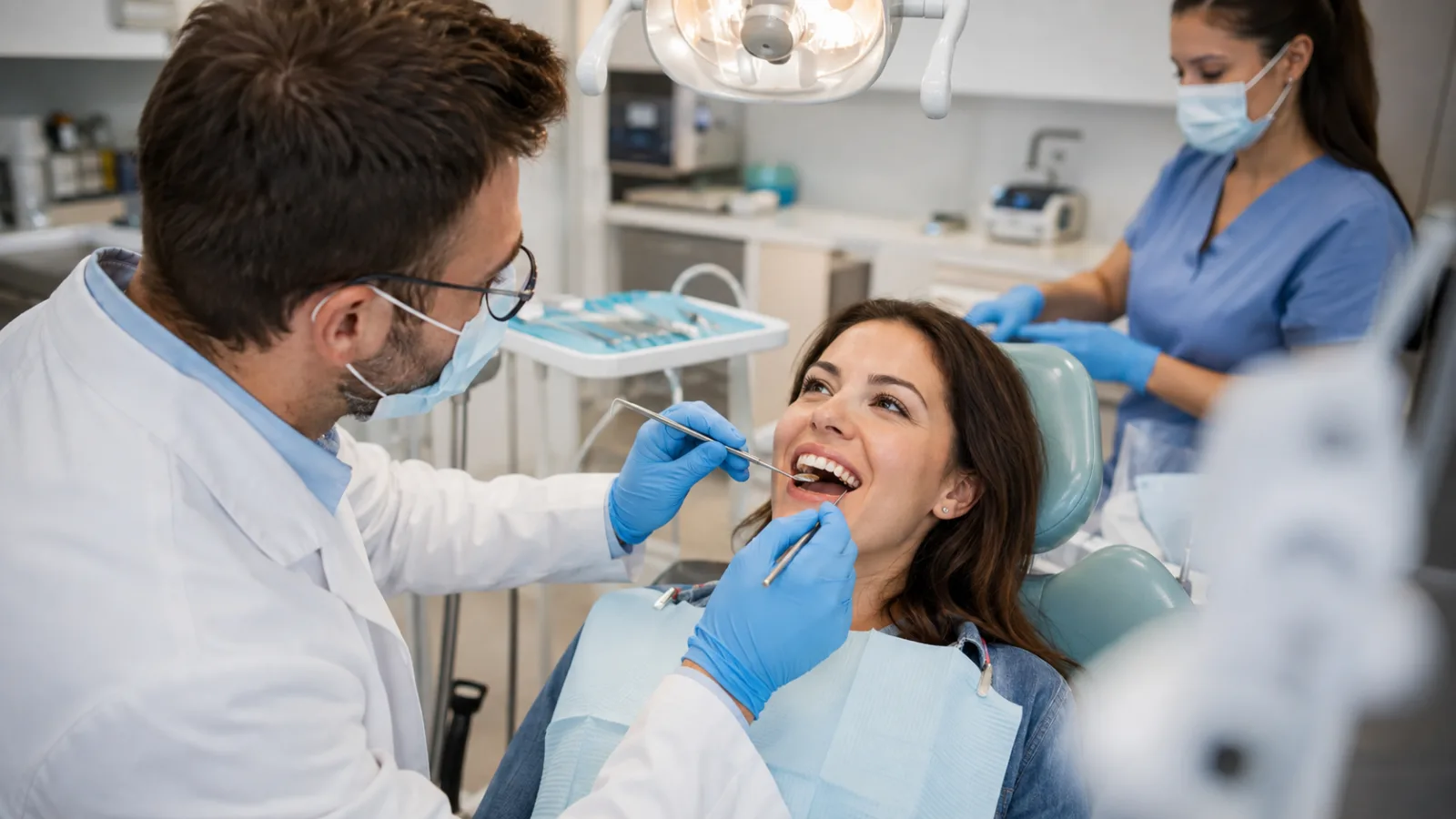
A missing tooth can affect much more than a smile. It may change how a person chews, speaks, or feels in social situations. Dental implants offer a fixed tooth-replacement option designed to restore both appearance and everyday function.
Patients searching online for “dental implants Cherry Hill NJ” may encounter practices far from home. For those who live in or near Monmouth County, choosing an implant dentist in Wall Township, NJ, can make consultations, treatment visits, and follow-up care more convenient.
This overview explains the main implant options, how treatment typically progresses, what affects cost, and what patients can expect during recovery.
This article provides general educational information and is not a diagnosis or personalized treatment recommendation. A dentist must evaluate oral health, medical history, imaging, and individual goals before determining whether dental implants are appropriate.
What Is a Dental Implant?
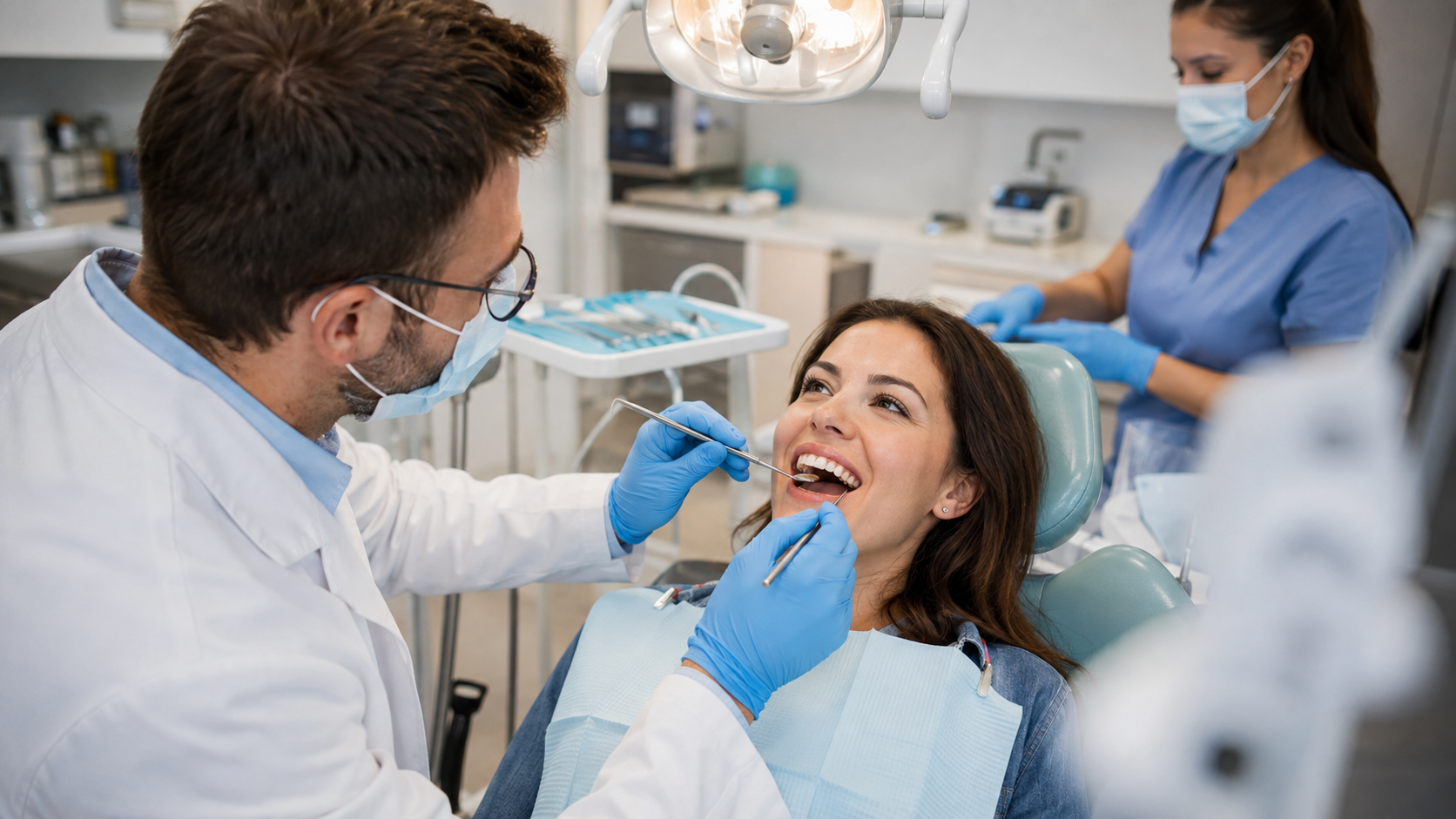
A dental implant is a small post placed in the jaw to serve as an artificial tooth root. After the implant becomes stable within the surrounding bone, it can support a crown, bridge, or full-arch restoration.
The process through which bone forms a stable connection with an implant is called osseointegration. This deeper healing stage is different from the early reduction in soreness or the healing of gum tissue. Research on implant care distinguishes early implant stability and integration from longer-term bone and soft-tissue health.
Unlike a removable denture, an implant-supported restoration does not rely only on the gums for support. Unlike a traditional bridge, a single implant may replace a missing tooth without requiring neighboring teeth to support the replacement. The best approach depends on the number and location of missing teeth, bone availability, oral health, and the patient’s priorities.
Dental Implant Options in Wall Township
Implant treatment is not a single procedure that looks the same for everyone. The recommended option depends on whether one tooth, several teeth, or an entire arch needs replacement.
Single-Tooth Dental Implants
A single implant can support an individual crown when one tooth is missing. The crown is designed to fit the person’s bite and coordinate with nearby teeth. This option may be considered when the neighboring teeth are healthy and there is enough suitable bone to support an implant.
Implant-Supported Bridges
When several adjacent teeth are missing, implants may support a bridge containing multiple replacement teeth. Not every missing tooth necessarily requires its own implant. The number and position of implants must be planned according to the bite, anatomy, and design of the restoration.
Full-Arch Implant Restorations
Patients missing most or all teeth in an upper or lower arch may be evaluated for a fixed full-arch restoration. Oliverie Dental provides full-mouth implant consultations in Wall Township and offers options such as All-on-X and Teeth in a Day for appropriate candidates.
“Same-day teeth” generally means that a qualifying patient receives a temporary restoration around the time the implants are placed. It does not mean that bone integration or the entire course of care finishes that day. The final restoration usually comes later, after the dentist confirms that healing and implant stability are progressing appropriately.
3-on-6® Dental Implants
Oliverie Dental also offers the 3-on-6® implant concept. According to the practice, this full-arch approach uses six implants to support three separate bridges. Whether this or another design is appropriate requires a complete clinical and imaging evaluation.
Who May Be a Candidate for Dental Implants?
Many adults with missing or failing teeth can be evaluated for implant treatment, but candidacy is never based on appearance alone. A dentist considers several factors, including:
- The health of the gums and remaining teeth
- The amount and quality of bone in the proposed implant area
- The location of nerves, sinuses, and other anatomy
- Bite forces and tooth-grinding habits
- Medical conditions, medications, and previous procedures
- The patient’s ability to clean and maintain the restoration
- Personal goals, schedule, and budget
Having a health condition does not automatically exclude someone from treatment. For example, a systematic review found that osteoporosis is not automatically a contraindication to implant placement, although planning should be cautious and personalized. Patients should give their dentist a complete medication and health history rather than making assumptions about candidacy.
If there is insufficient bone in a treatment area, the dentist may discuss grafting or an alternative implant design. These procedures are not necessary for every patient. Three-dimensional imaging helps the dental team evaluate anatomy and create an individualized plan.
What Happens During the Implant Process?
1. Consultation and Diagnostic Records
The process begins with a conversation about missing teeth, comfort concerns, desired results, and previous dental experiences. The clinical examination may include digital scans, X-rays, photographs, and 3D imaging.
Oliverie Dental’s implant planning process includes a comprehensive evaluation and modern diagnostic technology. Patients who feel anxious can ask which comfort or sedation options may be suitable for them.
2. Personalized Treatment Planning
The dentist reviews the records and explains the recommended type of restoration, number of implants, preparatory care, expected sequence of visits, and estimated fees. Some patients need treatment for active dental problems before implant placement. Others may require an extraction or bone-related procedure as part of the plan.
3. Implant Placement
During implant placement, the treatment area is numbed and the implant is positioned according to the surgical plan. The specific experience varies based on the number of implants, the treatment area, and whether other procedures occur at the same appointment.
Some qualifying patients may receive a temporary tooth or provisional full-arch restoration promptly. Others need to allow the implant to heal before it supports a tooth. Immediate loading is a clinical decision, not a shortcut that is appropriate for everyone.
4. Healing and Monitoring
Follow-up visits allow the team to check the gums, implant stability, bite, hygiene, and any temporary restoration. Patients should follow instructions regarding cleaning, food choices, medications, and physical activity.
The healing process has several distinct stages:
- Early symptom recovery: Initial tenderness, swelling, or sensitivity begins to settle. The intensity and duration vary with the procedure and the individual.
- Soft-tissue healing: The gum tissue continues closing and maturing around the treatment area. Feeling better does not necessarily mean that deeper healing is complete.
- Osseointegration: The jawbone develops a stable connection with the implant. This occurs below the surface and generally takes longer than early symptom recovery.
- Final restoration: Once the dentist confirms that the implants and tissues are ready, the final crown, bridge, or arch can be made or delivered. The full treatment timeline may extend beyond the integration stage when additional procedures or restorative appointments are needed.
Because healing depends on anatomy, overall health, treatment complexity, and implant stability, a responsible dentist provides an individualized timeline rather than promising a universal completion date.
5. Final Tooth or Teeth
The final restoration is shaped to support comfortable function, an appropriate bite, and a natural-looking smile. After delivery, the dental team explains how to clean around the implant and whether special floss, brushes, or other tools may help.
How Much Do Dental Implants Cost?
There is no reliable one-price estimate for every implant case. A single-tooth replacement and a full-arch restoration involve very different materials, procedures, and laboratory work.
Factors that can affect the total fee include:
- The number of teeth being replaced
- The number and type of implants
- The crown, bridge, or full-arch material
- Extractions or preparatory treatment
- Whether grafting is recommended
- Diagnostic imaging and sedation needs
- The design of temporary and final restorations
- Insurance benefits and financing arrangements
Patients should request a written treatment plan that separates the stages and explains what is included. Dental insurance may cover certain parts of treatment even when it does not cover the entire implant procedure. The practice can review available benefits, but the insurance company makes the final coverage decision.
How to Choose an Implant Dentist
Technical training matters, but so do communication and continuity of care. A helpful consultation should leave the patient with a clear understanding of the diagnosis, alternatives, expected stages, potential limitations, maintenance needs, and fees.
Useful questions include:
- Which implant options fit this specific situation?
- Will 3D imaging be used for planning?
- Is any preparatory treatment needed?
- Will a temporary tooth be available?
- Who completes the surgical and restorative phases?
- What symptoms should prompt a call after treatment?
- How should the restoration be cleaned at home?
- What follow-up schedule is recommended?
Oliverie Dental has provided dental care in Wall Township, NJ, since 1999. The practice offers care ranging from single implants to full-mouth restorations and emphasizes digital planning, personalized treatment, and patient comfort. Patients can learn more through the Oliverie Dental website.
Caring for Dental Implants Long Term
Dental implants cannot develop cavities, but the gums and bone around them still require care. Plaque can collect around an implant restoration just as it does around natural teeth.
Patients should clean as directed, attend professional examinations, and report bleeding, swelling, looseness, discomfort, or bite changes. Long-term reviews assess both the restoration and the supporting tissues. Ongoing implant health is a different stage from the initial healing process, and regular maintenance remains important after treatment is complete.
Frequently Asked Questions
Does getting a dental implant hurt?
The treatment area is numbed during implant placement. Temporary soreness, swelling, or sensitivity can occur afterward, but the experience varies by patient and procedure. The dentist should explain comfort measures and provide instructions for managing expected symptoms. Severe, worsening, or unexpected symptoms should be reported promptly.
How long does the complete dental implant process take?
There is no single timeline. Early symptom improvement, gum healing, bone integration, and delivery of the final restoration are separate milestones. The total process depends on the treatment type, healing response, implant stability, and whether extractions or grafting are involved.
Can a patient receive a tooth on the same day?
Some patients may qualify for a temporary tooth or full-arch provisional restoration around the time of implant placement. Same-day treatment does not mean that biological healing is complete. Final teeth are delivered according to the dentist’s assessment of healing and stability.
Are implants an option after years of wearing dentures?
Possibly. Long-term denture wear can be associated with changes in jaw anatomy, so detailed imaging is important. Depending on available bone and other factors, the dentist may discuss conventional implants, grafting, or another full-arch approach. Only an examination can determine which options are realistic.
Are dental implants permanent?
Implants are intended as a long-term tooth-replacement option, but no dentist can guarantee that an implant or restoration will last for life. Oral hygiene, health conditions, bite forces, maintenance, and other individual factors can influence longevity. The crown, bridge, or full-arch restoration may also require maintenance or replacement over time.
Why choose a Wall Township dentist instead of a Cherry Hill provider?
For a patient who lives near Wall Township, local care may make planning appointments and follow-up visits easier. Convenience should not be the only consideration, however. Patients should also compare experience, technology, treatment options, communication, maintenance plans, and overall comfort with the dental team.
Take the Next Step Toward Replacing Missing Teeth
Dental implants can replace one tooth, several teeth, or a complete arch, but the right solution begins with careful planning. A consultation provides an opportunity to review imaging, compare alternatives, discuss costs, and receive a realistic treatment timeline.
Patients considering dental implants in Wall Township, NJ, can contact Oliverie Dental at 1516 NJ-138 #1A to schedule a consultation, ask questions, and learn which options may fit their oral health and goals.