

Family Dentist Wall Township NJ — Compassionate Care, Modern Treatments, and Preventive Guidance
You look for a family dentist in Wall Township, NJ who treats every age with skill and gentle care. A local family dentist provides comprehensive preventive and restorative care for children, teens, and adults, combining comfort-focused techniques with modern technology to keep your whole family’s smiles healthy.
They explain treatments in plain language, tailor care to nervous patients, and offer pediatric services through teen-focused options so every family member feels understood. Expect digital X-rays, same-day restorations in some offices, flexible scheduling, and staff who help with insurance to make dental visits easier.
This article guides you through what to expect from family dental care in Wall Township — from calm, kid-friendly visits to cosmetic choices and community-focused practices — so you can choose a dentist who fits your family’s needs.
Comprehensive Dental Care for Families
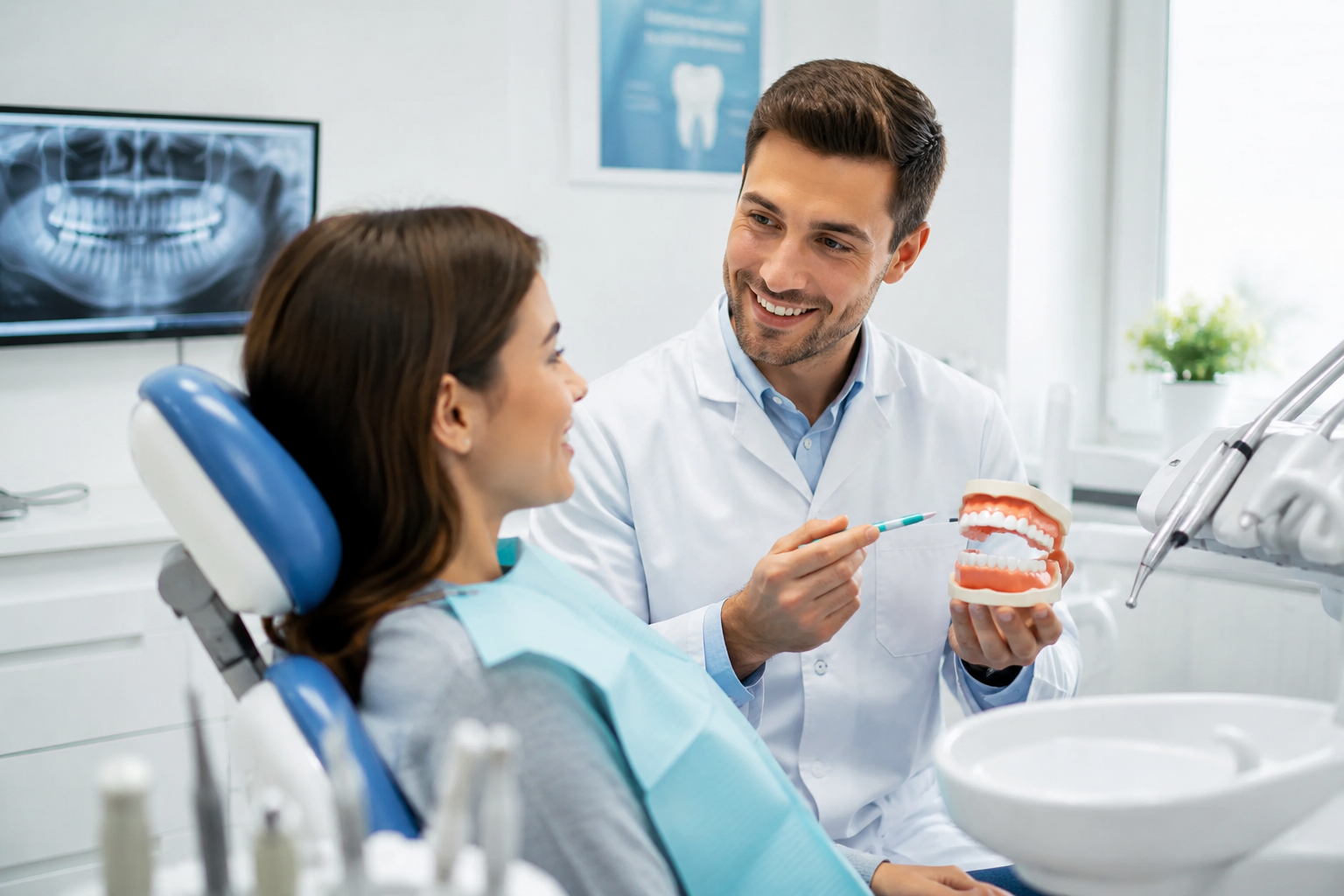
This practice focuses on consistent prevention, comfortable treatment, and age-appropriate care for every member of the household. Patients receive clear plans, modern techniques, and coordinated scheduling to keep dental health simple and effective.
Routine Check-Ups and Cleanings
Routine visits include a clinical exam, digital X-rays when indicated, and a professional hygiene appointment. The dentist screens for decay, gum disease, oral cancer, and bite problems, using intraoral cameras to show patients what the clinician sees.
Hygienists provide plaque and tartar removal, polish, and individualized oral-hygiene coaching. They teach brushing and flossing techniques tailored to children, teens with braces, and older adults with restorations or dry mouth.
Appointments typically last 45–60 minutes for adults and 30–45 minutes for children. The office offers flexible scheduling, reminder texts, and combined family appointments to minimize school and work disruption.
Preventive Treatments
Preventive care includes fluoride varnish, dental sealants for molars, and custom night guards for bruxism. Fluoride strengthens enamel and is applied quickly during hygiene visits; sealants protect chewing surfaces of permanent molars for years.
Risk-based plans guide frequency: low-risk patients return every six months; higher-risk patients receive targeted interventions and more frequent monitoring. The team documents diet, medication effects, and saliva flow to personalize prevention.
Education covers cavity causes, sugar timing, and how orthodontics or restorations affect cleaning. Insurances and in-office membership plans are explained up front to help families adopt consistent preventive care.
Restorative Dental Solutions
Restorative services address cavities, fractured teeth, missing teeth, and failing restorations using conservative, tooth-preserving options. Composite fillings match tooth color; indirect onlays and crowns restore strength when decay or fracture is extensive.
For adults with missing teeth, the practice offers bridges, implant restoration, and removable partial dentures. They perform digital treatment planning and local anesthesia or sedation as needed to reduce anxiety.
Pediatric restorations prioritize behavior management and quick, durable techniques such as stainless-steel crowns when indicated. Each restorative plan includes cost estimates, recovery expectations, and follow-up care to maintain long-term function and comfort.
Personalized Approach to Patient Comfort
The practice designs care around each patient’s needs, blending practical comfort measures with clinical options that reduce fear and discomfort. Staff train to read cues, explain steps, and offer choices so patients feel informed and in control.
Kid-Friendly Environment
The office uses child-sized furniture, colorful wall art, and a toy shelf to create a welcoming space that reduces first-visit anxiety. Reception staff greet children by name and hand out sticker charts that reward cooperative behavior, which helps build positive associations with dental visits.
Clinical rooms include video monitors that play cartoons or educational videos during treatment. Hygienists explain instruments using simple analogies (e.g., “a tiny toothbrush for your teeth”) and demonstrate on a stuffed animal before starting. Providers schedule shorter, focused appointments for young patients to minimize fatigue and use fluoride varnish and gentle polishing as routine preventive steps.
Parents receive clear, written care instructions and age-specific tips for brushing, flossing, and diet. The practice offers sealant applications and growth-monitoring to prevent decay and detect orthodontic needs early, coordinating with parents on timing and next steps.
Gentle Techniques for Anxious Patients
Dental team members use a stepwise communication strategy: explain each step in plain language, obtain consent for every change, and pause when the patient signals discomfort. They teach simple breathing exercises and hand-squeeze signals so patients can control the pace of care.
Clinicians employ topical numbing gels before injections and use computer-assisted anesthesia devices to reduce injection speed and pressure. For procedures likely to cause sensitivity, they pre-administer anti-anxiety strategies such as progressive muscle relaxation and offer noise-cancelling headphones or preferred music to distract attention.
Appointments for anxious adults are scheduled during quieter times to limit waiting-room stress. The practice documents anxiety triggers in the patient chart so every team member can prepare appropriate accommodations on future visits.
Sedation Options for Stress-Free Visits
The office provides a spectrum of sedation tailored to case complexity and patient health: nitrous oxide (laughing gas) for mild anxiety, oral sedation for moderate anxiety, and referral-based IV sedation for complex needs or severe phobia. Each option begins with a medical history review and informed-consent discussion.
Nitrous oxide offers rapid onset and quick recovery; patients breathe it through a nasal mask and remain conscious. Oral sedation uses prescribed medications taken before the appointment; patients should arrange transportation and expect drowsiness afterward. For IV sedation, the practice coordinates with an accredited anesthesiologist or sedationist and follows pre- and post-op safety protocols.
Staff review fasting guidelines, medication interactions, and follow-up instructions in writing. They monitor vitals during sedated care and provide clear discharge criteria, ensuring patients leave stable and comfortable.
Modern Technology in Dentistry
Advanced diagnostic tools and gentle treatment methods make appointments faster, more accurate, and more comfortable. Patients benefit from clearer images, lower radiation, and treatments that preserve more natural tooth structure.
Digital X-Rays and Imaging
Digital X-rays reduce radiation exposure by up to 80% compared with traditional film and produce images instantly on a chairside monitor. Dentists use intraoral sensors and panoramic scanners to capture detailed views of individual teeth, roots, and jaw structure.
These images allow precise measurement for implant planning, detection of cavities between teeth, and monitoring of bone levels in periodontal disease. The software often includes tools to zoom, measure, and compare scans side-by-side, which helps explain findings to patients during consultations.
Many practices in Wall Township use cone beam computed tomography (CBCT) for 3D imaging when implants, complex extractions, or TMJ evaluation are needed. CBCT gives millimeter-level detail of bone anatomy and nerve location, improving safety and treatment predictability. Files can be securely stored and shared with specialists to coordinate care.
Minimally Invasive Procedures
Minimally invasive dentistry emphasizes preserving healthy tooth structure and reducing recovery time. Techniques include air abrasion to remove decay with minimal drilling, laser-assisted tissue shaping for gum treatment, and bonded composite restorations that require smaller cavities than traditional amalgam fillings.
Dentists often use magnification loupes and microscopes to work precisely, which reduces the chance of removing healthy enamel and dentin. For root canals, rotary instruments and biocompatible sealers shorten procedure time and improve outcomes.
Sedation options and targeted local anesthesia enhance comfort during these procedures. Patients typically experience less post-op sensitivity and faster return to normal activities. Clear communication about options and expected sensations helps patients feel informed and relaxed before treatment.
Specialized Services for Children and Teens
The practice emphasizes preventive care and early intervention to keep young mouths healthy and growing correctly. Routine visits focus on comfort, cavity prevention, and monitoring development.
Fluoride Treatments and Sealants
Fluoride varnish is applied to teeth to strengthen enamel and reduce decay risk in both primary and permanent teeth. The varnish takes less than five minutes, dries quickly, and is safe for children; treatments are typically repeated every three to six months based on caries risk.
Sealants are thin protective coatings placed in the grooves of molars to block bacteria and food particles. Placement is painless, completed in one visit, and can last several years with routine checks. The team evaluates each tooth for deep pits or early signs of decay before recommending sealants.
Both services pair with personalized home-care guidance. Parents receive clear instructions on brushing technique, fluoride toothpaste amounts by age, and dietary tips to limit sugary snacks and drinks.
Orthodontic Assessments
Early orthodontic assessment looks at bite relationships, jaw growth, and tooth alignment by about age 7. The dentist examines front-to-back bite, crossbites, crowding, and habits like thumb-sucking that can affect development. They may take photographs, digital x-rays, or intraoral scans to document growth and plan timing.
When interceptive treatment is indicated, options include space maintainers, simple expanders, or habit appliances to guide jaw growth and make later braces simpler or shorter. For adolescents, the practice coordinates with orthodontists for braces or clear aligners and monitors eruption of permanent teeth to optimize timing.
Clear communication helps families weigh benefits, timing, and costs. The team explains expected outcomes, follow-up schedule, and steps to maintain oral hygiene during orthodontic care.
Cosmetic Dental Enhancements
These treatments focus on improving appearance, preserving tooth structure, and restoring confident smiles. They emphasize minimally invasive options, shade-matching materials, and personalized planning to suit lifestyle and budget.
Teeth Whitening Services
Teeth whitening includes in-office and take-home options that use peroxide-based gels to remove stains from coffee, tobacco, and aging. In-office treatments typically use stronger concentrations and light activation for 45–90 minutes, producing noticeable results in a single visit. Take-home kits involve custom trays and lower-concentration gel worn daily for 1–2 weeks, allowing more gradual whitening with easier sensitivity management.
A dentist evaluates enamel thickness, existing restorations, and gum health before recommending whitening. They provide shade guides and photos to set realistic expectations, and they advise against whitening on crowns or veneers because those materials won’t change color. They also recommend desensitizing toothpaste and staged treatments for people with sensitive teeth to minimize discomfort.
Natural-Looking Fillings
Composite (tooth-colored) fillings restore cavities while matching the tooth’s shade and translucency. Dentists bond resin directly to the prepared tooth, preserving more natural structure than amalgam and allowing targeted repairs for front or back teeth. They polish the surface to mimic enamel luster and sculpt anatomy for proper bite and cleaning.